
Treating comorbidities in heart failure: tackling the hidden burden

Most patients with heart failure also have comorbidities that require clinical attention. Comprehensive care should optimise guideline-directed medical therapy while addressing these comorbidities. Recent advances in management include sodium-glucose cotransporter-2 inhibitors, glucagon-like peptide-1 receptor agonists, finerenone, intravenous iron and vaccinations. GPs are well placed to deliver holistic, patient-centred care to patients with heart failure.
- Comorbidities are common in patients with heart failure (HF), and are associated with worse outcomes. GPs play a central role in care by addressing comorbidities while optimising guideline-directed medical therapies.
- HF is part of a cardiovascular–kidney–metabolic syndrome, in which HF and its comorbidities share common metabolic and inflammatory pathways, and have common therapeutic targets.
- Hypertension represents an opportunity to optimise HF therapies to lower blood pressure.
- Obesity is strongly linked with HF with preserved ejection fraction, and glucagon-like peptide-1 receptor agonists are emerging as a therapy in this population.
- Obstructive sleep apnoea may improve with glucagon-like peptide-1 receptor agonists, which are now recommended in HF management guidelines.
- In patients with type 2 diabetes and HF, sodium-glucose cotransporter-2 inhibitors are essential and metformin remains first-line therapy.
- HF therapies that delay progression of chronic kidney disease should be used in people with both conditions.
- Regular screening for iron deficiency is important, and intravenous iron should be given to people with HF with reduced ejection fraction who are iron deficient, irrespective of anaemia status.
- Vaccination against respiratory tract infections reduces morbidity and complications in patients with HF.
- Polypharmacy should be addressed in line with patient goals and priorities.
- Palliative care can improve symptoms such as dyspnoea and support end-of-life planning.
Heart failure (HF) is common in Australia, affecting more than 500,000 individuals (about 2% of the population).1 Acute HF has a poor prognosis, with one-year all-cause mortality after a hospital admission with HF in Australia estimated at 25% (75% one-year survival).2 Chronic HF, by contrast, has an 87% one-year survival and 60% at five years.3 There is no significant difference in survival for HF with reduced ejection fraction (HFrEF) compared with HF with preserved ejection fraction (HFpEF); however, patients with HFpEF are typically older at diagnosis, and increased age at diagnosis is a key factor associated with a poor prognosis.3
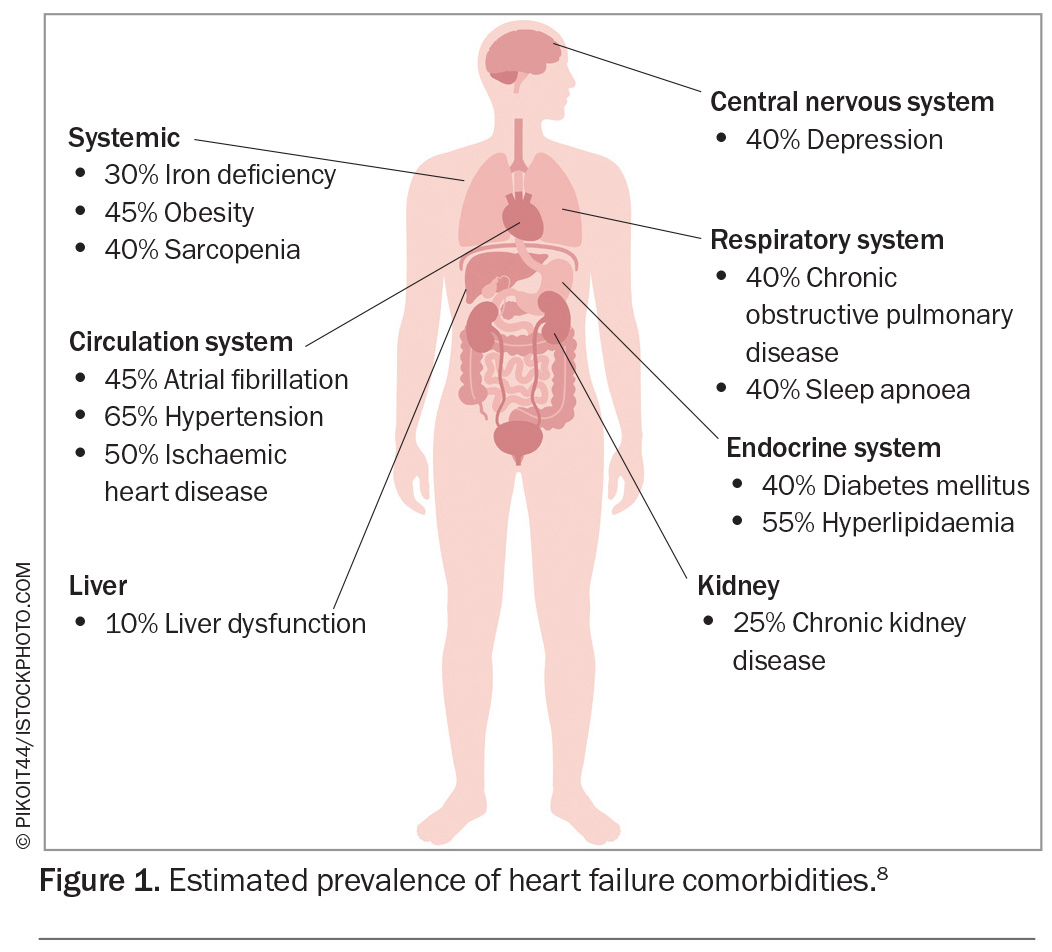
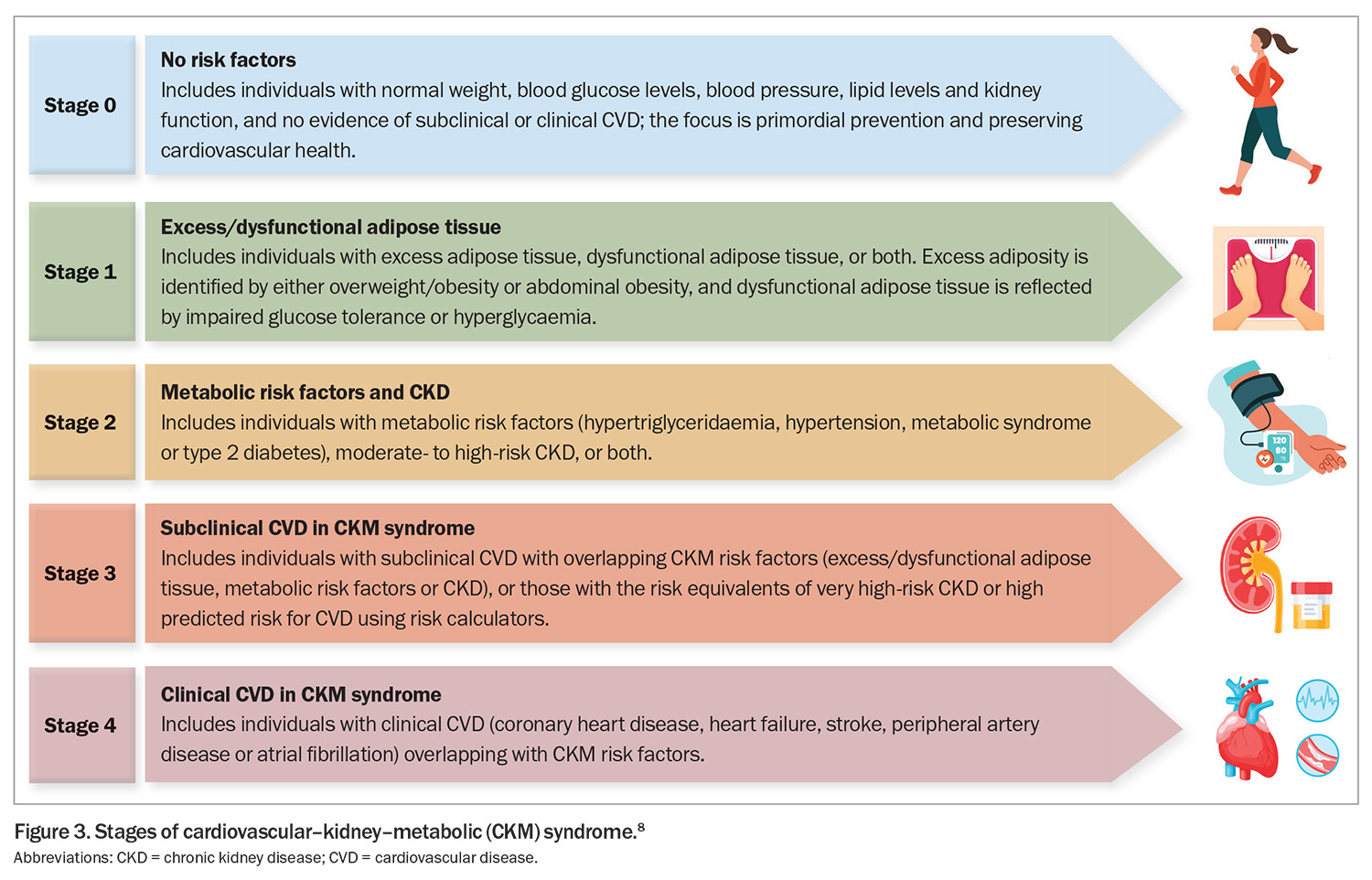
In an Australian study of HF in general practice, patients with HF were a mean age of 69.8 years and saw their GP 14 times a year,4,5 which places the GP at the centre of care. Most patients with HF present with comorbidities (Figure 1), and more than 85% of patients are managing an additional two chronic conditions.6 Comorbidities are associated with worse outcomes, lower use of guideline-directed medical therapy (GDMT) and greater exposure to potentially harmful medications.7 HF is increasingly recognised as part of a cardiovascular– kidney–metabolic syndrome, in which HF and its comorbidities share common metabolic and inflammatory pathways, providing a mechanistic link between these conditions and a number of common therapeutic targets.8,9 Evidence for managing the comorbidities associated with HF comes from studies in patients with HFrEF, HFpEF or HF across all ejection fractions.10,11 This article discusses the treatment of common comorbidities in people with HF, focussing on recent changes to the evidence and new listings on the PBS.
Hypertension
Hypertension is the most common comorbidity in patients with HF, and is linked to both its development and worsening.12 In HFrEF, high blood pressure presents an opportunity to ensure that GDMT is titrated to the maximal tolerated dose. The four pillars of GDMT in HFrEF are an HF-specific beta blocker, ACE inhibitor or angiotensin receptor- neprilysin inhibitor (or angiotensin II receptor blocker if intolerant), mineralocorticoid receptor antagonist (MRA) and sodium-glucose cotransporter-2 (SGLT-2) inhibitors, all of which reduce mortality and should be used at the highest doses tolerated.13,14 These four therapies should be started at low doses, in quick succession, then titrated individually to maximally tolerated doses.14 No trials have assessed the impact of blood pressure reductions on outcomes in patients with HFrEF and hypertension, and the optimal blood pressure is not known. Diuretics should be reduced to the lowest effective dose, and other antihypertensives reduced or ceased to prioritise higher doses of GDMT. If hypertension persists despite maximal doses of GDMT, amlodipine and hydralazine are safe to use, but diltiazem, verapamil and moxonidine may worsen HF and should be avoided.13,15-21
In HFpEF, intensive blood pressure control is recommended, aiming for less than 130/80 mmHg.11 This target has been extrapolated from benefits in hypertension in general, because more intensive control of blood pressure is associated with improved cardiovascular outcomes. Two or more agents will usually be required, and may include a diuretic, which can assist volume control, and an MRA (finerenone is preferred to spironolactone), which is recommended to decrease HF hospitalisation.22 Candesartan and sacubitril/valsartan have also shown modest cardiovascular benefits in clinical trials in HFpEF.11 Higher blood pressure should be tolerated if there is symptomatic orthostasis, and beta blockers are generally avoided because of their negative chronotropic effects.11
Obesity
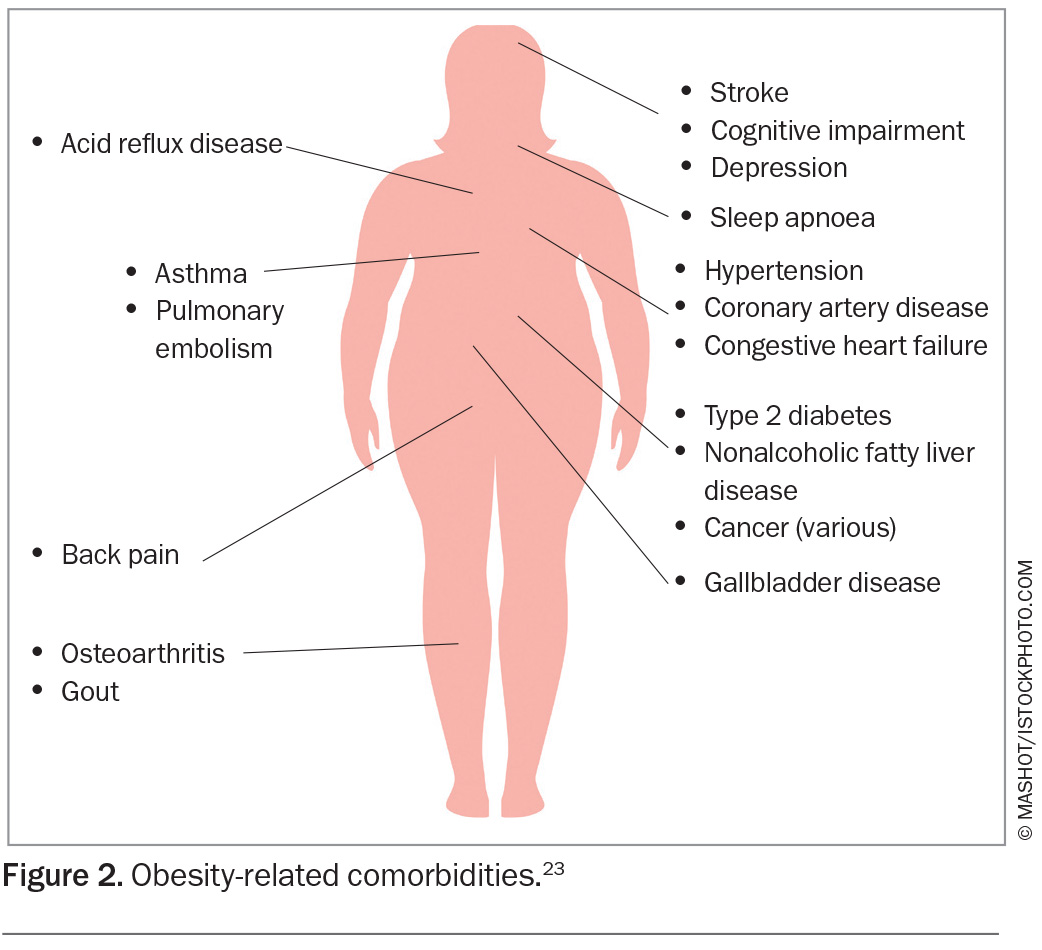
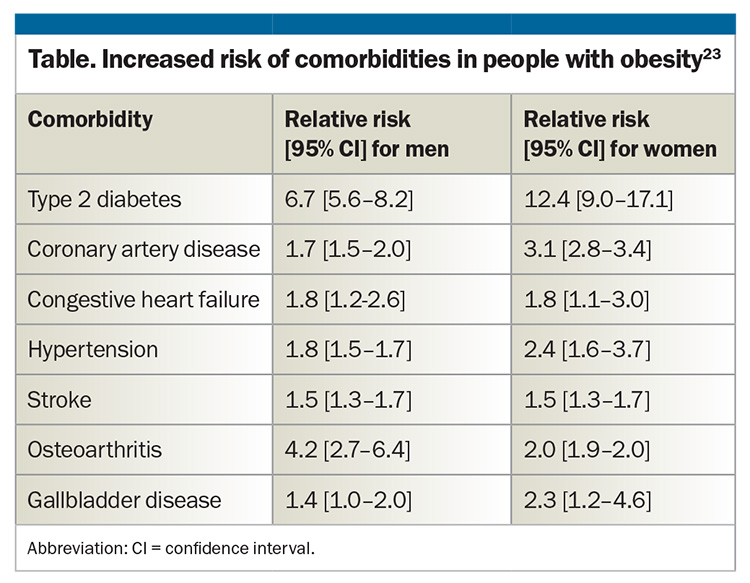
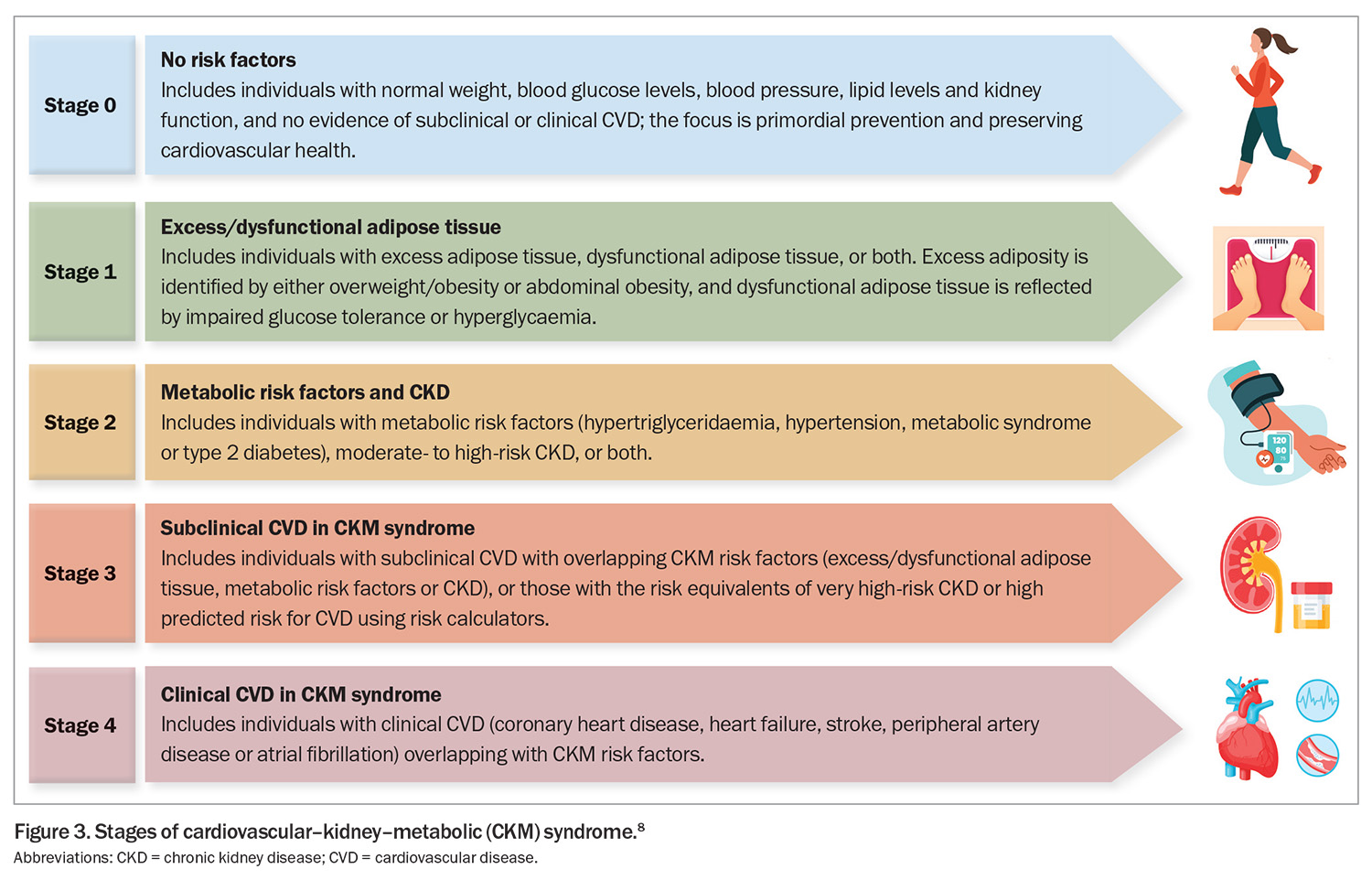
Obesity is associated with several comorbidities, including cardiovascular effects (Figure 2 and Table),23 and should be considered a therapeutic target to reduce cardiovascular risk, alongside management of hypertension, dyslipidaemia and glycaemia (Figure 3).8 It is more strongly associated with developing HFpEF than HFrEF.24 Obesity complicates the diagnosis of HF, as symptoms overlap, clinical signs are harder to elicit, echocardiography may be difficult to obtain and interpret, and N-terminal pro-BNP levels can be relatively low or normal in obesity.25 Consequently, HF (HFpEF in particular) may be under-recognised in people with obesity.
In HFrEF, weight loss through lifestyle measures is recommended for people with severe obesity (body mass index [BMI] ≥35 kg/m2) and has been shown to be safe, but further trials are needed to establish whether weight loss improves HF outcomes. Bariatric surgery in HFrEF is associated with fewer HF hospitalisations.24
The situation is different in HFpEF. Obesity drives HFpEF through haemodynamic, neurohormonal, inflammatory and mechanical effects, and an obesity-related HFpEF phenotype is now recognised.26 Incretin mimetics, including semaglutide (a glucagon-like peptide-1 [GLP-1] receptor agonist) and tirzepatide (a dual GLP-1 and glucose- dependent insulinotropic polypeptide receptor agonist), are emerging as effective therapies for this condition. In pooled analyses of the STEP-HFpEF and STEP-HFpEF DM trials, semaglutide compared with placebo in patients with HFpEF and a BMI of 30 kg/m2 or above improved HF-related symptoms and physical limitations, and reduced body weight.27 More recently, the SUMMIT trial showed that tirzepatide compared with placebo in patients with HFpEF (ejection fraction ≥50%) and BMI of 30 kg/m2 or above reduced the risk of the primary endpoint of death from cardiovascular causes or worsening HF (defined as an exacerbation of HF resulting in hospitalisation, intravenous therapy in an urgent care setting or intensification of oral diuretic therapy) (hazard ratio, 0.62; 95% confidence interval, 0.41–0.96; p = 0.026).28
GLP-1 receptor agonists have recently been added into HF guidelines, with a strong recommendation as an adjunct to lifestyle interventions, including dietary advice and structured exercise programs, for patients with HFpEF and obesity to achieve weight loss and improve symptoms and quality of life. They are also suggested for reducing the risk of hospitalisation.22 GPs have had almost 10 years of experience with using GLP-1 receptor agonists and are best positioned to consider these agents early in suitable HF patients to improve outcomes. Caution should be taken, however, to avoid worsening sarcopenia when weight loss measures are implemented.29 Further trials with these agents are expected.
Obstructive sleep apnoea
Obstructive sleep apnoea (OSA) is a common comorbidity in HF, often presenting with fewer symptoms in people with HFrEF than in other populations, and with less excessive daytime sleepiness.30 A high index of suspicion and active screening are therefore necessary. It is also important to distinguish between OSA and central sleep apnoea.
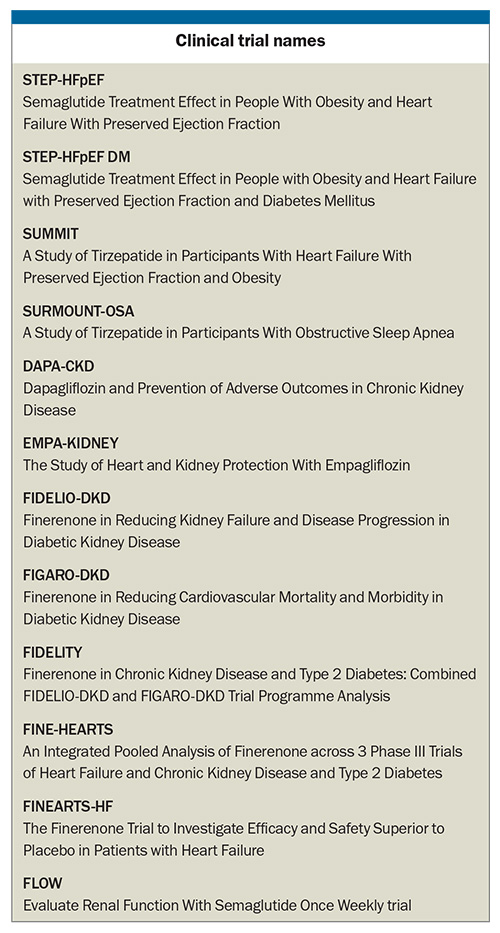
The recent phase 3 SURMOUNT-OSA trial showed that a tirzepatide improved OSA (see the Box for full names of the clinical trials mentioned in this article).31 In this trial, tirzepatide was compared with placebo in participants with obesity (BMI ≥30 kg/m2) and moderate-to-severe OSA (apnoea–hypopnoea index [AHI] ≥15 events per hour), together with a calorie-restricted diet, lifestyle counselling and 150 minutes of exercise per week. Over 52 weeks, clinically significant reductions in the primary endpoint of change in AHI from baseline were seen in the tirzepatide group, irrespective of positive airway pressure use.31 Substantial weight loss, improvements in patient-reported outcome measures, and no new safety signals were also reported.
Recent HF guidelines now strongly recommend this therapy for patients with HF.22 However, it should be noted that this trial was conducted in patients with obesity and OSA, and not specifically in patients with HF. Tirzepatide is approved by the TGA for OSA, but is not reimbursed on the PBS. In addition, for patients with HF and OSA, positive airway pressure or adaptive servo-ventilation should be considered. However, if central sleep apnoea is present in HFrEF, adaptive servo-ventilation should not be used, as it has been associated with harm.12
Type 2 diabetes management
SGLT-2 inhibitors improve glycaemic control and are strongly recommended in HF guidelines across the full spectrum of ejection fraction (HFrEF and HFpEF) to reduce HF-related morbidity and mortality.32 SGLT-2 inhibitors are listed on the PBS for patients with diabetes at risk of, or with established, cardiovascular disease, independent of glycated haemoglobin (HbA1c) levels. Other hypoglycaemic agents should be adjusted in people with type 2 diabetes to accommodate an SGLT-2 inhibitor if HF is present.
Metformin remains a first-line agent in the treatment of people with type 2 diabetes and HF, provided the estimated glomerular filtration rate (eGFR) is 30 mL/min/1.73m² or more and there is no severe hepatic impairment. Insulin, if required, causes sodium retention and may worsen fluid retention. In HFpEF and type 2 diabetes, a GLP-1 receptor agonist should be considered as the preferred first injectable to improve glycaemic control.
Currently, SGLT-2 inhibitors and GLP-1 receptor agonists are not PBS funded for concurrent use in type 2 diabetes. However, if a GLP-1 receptor agonist is prescribed for diabetes, an SGLT-2 inhibitor can still be reimbursed under the PBS if prescribed for HF (HFrEF or HFpEF) or chronic kidney disease (CKD).
Sulfonylureas are not the preferred treatment in HF, as some have been associated with an increased risk of HF.33 If a sulfonylurea is used, patients should be monitored for worsening HF after initiation, and therapy should be used cautiously in older, frail patients at risk of hypoglycaemia. Drugs that should be avoided in the management of diabetes when HF is present include alogliptin, saxagliptin and thiazolidinediones.
Target HbA1c levels of less than 7 to 7.5% (53 to 58 mmol/mol) is reasonable in patients with a lower comorbidity burden or less severe HF, whereas a higher HbA1c target of 8 to 8.5% (64 to 69 mmol/mol) is acceptable in those with a higher burden of comorbidity, polypharmacy, risk of hypoglycaemia or advanced HF.11
Chronic kidney disease
The pathophysiology of HF and CKD are intertwined.34 Renal dysfunction increases the risk of adverse effects from HF therapies, limits the therapeutic options and impairs diuretic response. Potassium levels and renal function should be monitored regularly. MRAs should be given at a reduced dose in people with renal dysfunction. Potassium binders, such as patiromer or sodium zirconium cyclosilicate, can be used in patients with HF and hyperkalaemia (>5.5 mEq/L) to facilitate the continued use of ACE inhibitors or MRA.35,36 However, MRAs should be ceased if potassium levels cannot be maintained below 5.5 mEq/L. Digoxin dose should also be reduced and digoxin levels monitored in CKD.
Therapies that slow the expected decline in eGFR should be used in patients with HF. In HFrEF, ACE inhibitors, angiotensin II receptor blockers, angiotensin receptor-neprilysin inhibitor and SGLT-2 inhibitors have demonstrated renal protection.37-40 An early decline in eGFR is expected after initiation, but this typically stabilises as the renal physiology adjusts, and the long-term decline is slower compared with placebo; this is not a reason to discontinue therapy. Finerenone, a nonsteroidal mineralocorticoid receptor antagonist, has also shown renal benefit. In the FINE-HEART pooled analysis of cardiovascular, kidney and mortality outcomes, which combined FIDELIO-DKD, FIGARO-DKD and FINEARTS-HF, and in which over one-third of participants had HF with an ejection fraction of 40% or more (mildly reduced or preserved), finerenone preserved renal function and reduced HF hospitalisations.41 Semaglutide also slowed eGFR decline in the FLOW trial of patients with CKD and diabetes, 19% of whom had HF.42
CKD and diabetes are important risk factors for developing HF (Figure 3). ACE inhibitors or angiotensin II receptor blockers continue to be recommended to prevent HF in patients with CKD, diabetes and hypertension or albuminuria.43 SGLT-2 inhibitors and finerenone are now recommended for patients with type 2 diabetes or CKD to prevent HF.22
SGLT-2 inhibitors reduce cardiovascular mortality and are strongly recommended in guidelines for patients with CKD (with or without diabetes) and an eGFR of more than 20 to 25 mL/min/1.73m2 to reduce the risk of HF hospitalisation and cardiovascular death.22,44 This is based on the DAPA-CKD and EMPA-KIDNEY trials, and a meta-analysis of 13 large randomised controlled trials.45-47 In the FIDELIO-DKD trial, FIGARO-DKD trial and FIDELITY pooled analyses, finerenone slowed the progression of kidney function and reduced cardiovascular events, and is now strongly recommended to prevent HF hospitalisations.22,44,48-50 SGLT-2 inhibitors currently have a broad listing on the PBS for type 2 diabetes with high cardiovascular risk, CKD and HF, whereas finerenone is currently only PBS reimbursed for type 2 diabetes with CKD.
Iron deficiency and anaemia
Iron deficiency is common in HF because there is reduced intestinal iron absorption, increased gastrointestinal losses and altered iron metabolism due to changes in hepcidin.51 Iron deficiency, with or without anaemia, is associated with impaired myocyte function, decreased exercise tolerance, increased HF hospitalisations and higher mortality.51 Patients should be regularly screened for iron deficiency, defined as either ferritin levels of less than 100 mcg/L (absolute iron deficiency) or ferritin levels of 100 to 300 mcg/L with transferrin saturation of less than 20%. Screening is reasonable at the time of HF diagnosis, during hospitalisation or every four to six months in a clinic review.
Intravenous iron, with either ferric carboxymaltose or ferric derisomaltose, is strongly recommended to improve symptoms, exercise capacity and quality of life in people with HFrEF with iron deficiency with or without anaemia, and recommended to reduce HF hospitalisation and cardiovascular death.22 Patients should be warned of the risk of iron staining if there is extravasation of iron and allergy.52 Oral iron neither restores iron stores nor improves exercise tolerance or quality of life and should not be used.53 There is no role of epoietin-stimulating agents, as these have been shown to cause harm in patients with HF.54
Respiratory tract infections
Viral respiratory infections are strongly associated with HF decompensation.55 Observational studies have shown that influenza vaccination in patients with HF is associated with a reduction in all-cause mortality.56 To lower the risk of HF hospitalisation, patients with HF should be vaccinated against respiratory infections, including influenza, pneumococcus, COVID-19 and, if possible, respiratory syncytial virus.12,56
Polypharmacy
Polypharmacy, defined as taking five or more medications, and hyperpolypharmacy, defined as taking 10 or more medications, is the rule rather than the exception with GDMT in HF.57 The focus should be on the appropriateness of medications, rather than the number, taking into consideration the patient’s goals and stage of life. Patient education and shared decision making improve medication adherence. Early medication review within one to two weeks after hospital discharge is important, as effective transition of care from hospital to community setting can help reduce readmission and mortality.58 Medications that have multiple indications should be prioritised and fixed-dose combinations used if available to reduce pill burden.
Deprescribing of GDMT should be avoided, including when the ejection fraction recovers as this risks recurrence.59 Medication lists should be reviewed frequently, and inappropriate and unnecessary medications considered for withdrawal, including over-the-counter and complementary medicines, unnecessary diuretics in euvolaemic patients and agents that may cause drug–drug interactions and worsen HF such as prednisolone, NSAIDs and COX-2 inhibitors.60 Pharmacy-prepared blister packs reduce medication errors, improve adherence and allow review to check for missed doses. Dedicated tools are available for deprescribing.57 A Medicare-funded Home Medicines Review by a credentialed pharmacist is useful to optimise medication use and improve safety.
Ageing and palliative care in patients with heart failure
Ageing can be associated with a multitude of other conditions in patients with HF, including cognitive decline, pain associated with arthritis, falls, frailty and continence issues. The goals of care should be individualised, with pragmatic decisions about which therapies to prioritise or potentially deprescribe. Disease progression in individuals with HF varies considerably and is difficult to predict.3 The GP setting provides an opportunity to initiate discussions about prognosis and advance care planning with patients and their families. Palliative care can improve symptoms such as dyspnoea and support end-of-life planning, particularly decisions about the preferred location of dying.61
Conclusion
Most patients with HF are older, with a multitude of comorbidities competing for clinician attention. Comprehensive care should optimise GDMT and address comorbidities, including the associated conditions of ageing and frailty, in a way that aligns with patient goals. GPs are ideally placed to provide this care, as they see HF patients more frequently than specialists. GPs also understand their patients’ psychosocial milieu and social determinants of health, and have a unique longitudinal relationship that supports them throughout their HF journey, including end-of-life care. CT
COMPETING INTERESTS: This manuscript is based on a paid talk presented at the Novartis Cardiology Congress in May 2025. Associate Professor Hopper has received honoraria, speaker fees or is a member on Advisory Boards for Novartis, CSL, Boehringer Ingelheim, Eli Lilly, Health Ed and Therapeutic Guidelines; She is a Board Member for Australian Medicines Handbook; and on the TGA Advisory Committee for Medicines. Dr Sharma: None.
References
1. Sahle BW, Owen AJ, Mutowo MP, Krum H, Reid CM. Prevalence of heart failure in Australia: a systematic review. BMC Cardiovasc Dis 2016; 16: 32.
2. Al-Omary MS, Davies AJ, Evans TJ, et al. Mortality and readmission following hospitalisation for heart failure in Australia: a systematic review and meta-analysis. Heart Lung Circ 2018; 27: 917-927.
3. Jones NR, Roalfe AK, Adoki I, Hobbs FDR, Taylor CJ. Survival of patients with chronic heart failure in the community: a systematic review and meta-analysis. Eur J Heart Fail 2019; 21: 1306-1325.
4. Liew D, Audehm RG, Haikerwal D, et al. Epidemiology of heart failure: Study of Heart failure in the Australian Primary carE setting (SHAPE). ESC Heart Fail 2020; 7: 3871-3880.
5. Audehm RG, Neville AM, Piazza P, et al. Healthcare services use by patients with heart failure in Australia: findings from the SHAPE study. Aust J Gen Pract 2022; 51: 713-720.
6. Chamberlain AM, St Sauver JL, Gerber Y, et al. Multimorbidity in heart failure: a community perspective. Am J Med 2015; 128: 38-45.
7. Gerhardt T, Gerhardt LMS, Ouwerkerk W, et al. Multimorbidity in patients with acute heart failure across world regions and country income levels (REPORT-HF): a prospective, multicentre, global cohort study. Lancet Glob Health 2023; 11: e1874-e1884.
8. Ndumele CE, Rangaswami J, Chow SL, et al. Cardiovascular-kidney-metabolic health: a presidential advisory from the American Heart Association. Circulation 2023; 148: 1606-1635.
9. Li Z, Zhao H, Wang J. Metabolism and chronic inflammation: the links between chronic heart failure and comorbidities. Front Cardiovasc Med 2021; 8: 650278.
10. Maddox TM, Januzzi JL, Jr., Allen LA, et al. 2024 ACC expert consensus decision pathway for treatment of heart failure with reduced ejection fraction: a report of the American College of Cardiology Solution Set Oversight Committee. J Am Coll Cardiol 2024; 83: 1444-1488.
11. Kittleson MM, Panjrath GS, Amancherla K, et al. 2023 ACC expert consensus decision pathway on management of heart failure with preserved ejection fraction: a report of the American College of Cardiology Solution Set Oversight Committee. J Am Coll Cardiol 2023; 81: 1835-1878.
12. Heidenreich PA, Bozkurt B, Aguilar D, et al. 2022 AHA/ACC/HFSA guideline for the management of heart failure: a report of the American College of Cardiology/American Heart Association Joint Committee on Clinical Practice Guidelines. Circulation 2022; 145: e895-e1032.
13. Atherton JJ, Sindone A, De Pasquale CG, et al. National Heart Foundation of Australia and Cardiac Society of Australia and New Zealand: guidelines for the prevention, detection, and management of heart failure in Australia 2018. Heart Lung Circ 2018; 27: 1123-1208.
14. Sindone AP, De Pasquale C, Amerena J, et al. Consensus statement on the current pharmacological prevention and management of heart failure. The Medical journal of Australia 2022; 217: 212-217.
15. Packer M, O‘Connor CM, Ghali JK, et al. Effect of amlodipine on morbidity and mortality in severe chronic heart failure. Prospective Randomized Amlodipine Survival Evaluation Study Group. N Eng J Med 1996; 335: 1107-1114.
16. Packer M, Carson P, Elkayam U, et al. Effect of amlodipine on the survival of patients with severe chronic heart failure due to a nonischemic cardiomyopathy: results of the PRAISE-2 study (prospective randomized amlodipine survival evaluation 2). JACC Heart Fail 2013; 1: 308-314.
17. Cohn JN, Archibald DG, Ziesche S, et al. Effect of vasodilator therapy on mortality in chronic congestive heart failure. Results of a Veterans Administration Cooperative Study. New Eng J Med 1986; 314: 1547-1552.
18. Taylor AL, Ziesche S, Yancy C, et al. Combination of isosorbide dinitrate and hydralazine in blacks with heart failure. N Eng J Med 2004; 351: 2049-2057.
19. Multicenter Diltiazem Postinfarction Trial Research Group. The effect of diltiazem on mortality and reinfarction after myocardial infarction. N Eng J Med 1988; 319: 385-392.
20. The Danish Study Group on Verapamil in Myocardial Infarction. Effect of verapamil on mortality and major events after acute myocardial infarction (the Danish Verapamil Infarction Trial II--DAVIT II). Am J Cardiol 1990; 66: 779-85.
21. Cohn JN, Pfeffer MA, Rouleau J, et al. Adverse mortality effect of central sympathetic inhibition with sustained-release moxonidine in patients with heart failure (MOXCON). Eur J Heart Fail 2003; 5: 659-667.
22. Chopra V, Khan MS, Abdelhamid M, et al. iCARDIO Alliance Global Implementation Guidelines on Heart Failure 2025. Heart Lung Circ 2025; 34: e55-e82.
23. Guh DP, Zhang W, Bansback N, Amarsi Z, Birmingham CL, Anis AH. The incidence of co-morbidities related to obesity and overweight: a systematic review and meta-analysis. BMC Public Health 2009; 9: 88.
24. Koskinas KC, Van Craenenbroeck EM, Antoniades C, et al. Obesity and cardiovascular disease: an ESC clinical consensus statement. Eur Heart J 2024; 45: 4063-4098.
25. Sindone J, Sindone A. Natriuretic peptides in the diagnosis of heart failure: Improving clinical confidence and accuracy. Medicine Today 2024; 25(11): 45-49.
26. Kitzman DW, Shah SJ. The HFpEF obesity phenotype: the elephant in the room. J Am Coll Cardiol 2016; 68: 200-203.
27. Butler J, Shah SJ, Petrie MC, et al. Semaglutide versus placebo in people with obesity-related heart failure with preserved ejection fraction: a pooled analysis of the STEP-HFpEF and STEP-HFpEF DM randomised trials. Lancet 2024; 403: 1635-1648.
28. Packer M, Zile MR, Kramer CM, et al. Tirzepatide for heart failure with preserved ejection fraction and obesity. N Eng J Med 2025; 392: 427-437.
29. Look M, Dunn JP, Kushner RF, et al. Body composition changes during weight reduction with tirzepatide in the SURMOUNT-1 study of adults with obesity or overweight. Diabetes Obes Metab 2025; 27: 2720-2729.
30. Shi Y, Deng D, Song N. Up-to-date advance in the relationship between obstructive sleep apnea and heart failure: a narrative review. Sleep Breath 2024; 29: 2.
31. Malhotra A, Grunstein RR, Fietze I, et al. Tirzepatide for the treatment of obstructive sleep apnea and obesity. N Eng J Med 2024; 391: 1193-1205.
32. Vaduganathan M, Docherty KF, Claggett BL, et al. SGLT-2 inhibitors in patients with heart failure: a comprehensive meta-analysis of five randomised controlled trials. Lancet 2022; 400: 757-767.
33. Turchin A, Petito LC, Hegermiller E, et al. Cardiovascular events in individuals treated with sulfonylureas or dipeptidyl peptidase 4 Inhibitors. JAMA Netw Open 2025; 8: e2523067.
34. Noels H, van der Vorst EPC, Rubin S, et al. Renal-cardiac crosstalk in the pathogenesis and progression of heart failure. Circ Res 2025; 136: 1306-1334.
35. Pitt B, Bakris GL, Bushinsky DA, et al. Effect of patiromer on reducing serum potassium and preventing recurrent hyperkalaemia in patients with heart failure and chronic kidney disease on RAAS inhibitors. Eur J Heart Fail 2015; 17: 1057-1065.
36. Anker SD, Kosiborod M, Zannad F, et al. Maintenance of serum potassium with sodium zirconium cyclosilicate (ZS-9) in heart failure patients: results from a phase 3 randomized, double-blind, placebo-controlled trial. Eur J Heart Fail 2015; 17: 1050-1056.
37. Momoniat T, Ilyas D, Bhandari S. ACE inhibitors and ARBs: managing potassium and renal function. Cleve Clin J Med 2019; 86: 601-607.
38. Peikert A, Vaduganathan M, Mc Causland F, et al. Effects of sacubitril/valsartan versus valsartan on renal function in patients with and without diabetes and heart failure with preserved ejection fraction: insights from PARAGON-HF. Eur J Heart Fail 2022; 24: 794-803.
39. Packer M, Anker SD, Butler J, et al. Cardiovascular and renal outcomes with empagliflozin in heart failure. N Eng J Med 2020; 383: 1413-1424.
40. Jhund PS, Solomon SD, Docherty KF, et al. Efficacy of dapagliflozin on renal function and outcomes in patients with heart failure with reduced ejection fraction: results of DAPA-HF. Circulation 2021; 143: 298-309.
41. Vaduganathan M, Filippatos G, Claggett BL, et al. Finerenone in heart failure and chronic kidney disease with type 2 diabetes: FINE-HEART pooled analysis of cardiovascular, kidney and mortality outcomes. Nat Med 2024; 30: 3758-3764.
42. Perkovic V, Tuttle KR, Rossing P, et al. Effects of semaglutide on chronic kidney disease in patients with type 2 diabetes. N Eng J Med 2024; 391: 109-121.
43. de Boer IH, Khunti K, Sadusky T, et al. Diabetes management in chronic kidney disease: a consensus report by the American Diabetes Association (ADA) and Kidney Disease: Improving Global Outcomes (KDIGO). Diabetes Care 2022; 45: 3075-3090.
44. McDonagh TA, Metra M, Adamo M, et al. 2023 focused update of the 2021 ESC guidelines for the diagnosis and treatment of acute and chronic heart failure. Eur Heart J 2023; 44: 3627-3639.
45. Heerspink HJL, Stefánsson BV, Correa-Rotter R, et al. Dapagliflozin in patients with chronic kidney disease. N Eng J Med 2020; 383: 1436-1446.
46. Herrington WG, Staplin N, Wanner C, et al. Empagliflozin in patients with chronic kidney disease. N Eng J Med 2023; 388: 117-127.
47. Nuffield Department of Population Health Renal Studies Group, SGLT2 inhibitor Meta-Analysis Cardio-Renal Trialists’ Consortium. Impact of diabetes on the effects of sodium glucose co-transporter-2 inhibitors on kidney outcomes: collaborative meta-analysis of large placebo-controlled trials. Lancet 2022; 400: 1788-1801.
48. Filippatos G, Pitt B, Agarwal R, et al. Finerenone in patients with chronic kidney disease and type 2 diabetes with and without heart failure: a prespecified subgroup analysis of the FIDELIO-DKD trial. Eur J Heart Fail 2022; 24: 996-1005.
49. Pitt B, Filippatos G, Agarwal R, et al. Cardiovascular events with finerenone in kidney disease and type 2 diabetes. N Eng J Med 2021; 385: 2252-2263.
50. Agarwal R, Filippatos G, Pitt B, et al. Cardiovascular and kidney outcomes with finerenone in patients with type 2 diabetes and chronic kidney disease: the FIDELITY pooled analysis. Eur Heart J 2022; 43: 474-484.
51. Chan D, Sindone AP. Iron deficiency in heart failure - more than just anaemia. Medicine Today 2025; 2 6(1-2): 61-67.
52. Canning M , Grannell L. A stain on iron therapy. Aust Prescr 2020; 43: 160-163.
53. Lewis GD, Malhotra R, Hernandez AF, et al. Effect of oral iron repletion on exercise capacity in patients with heart failure with reduced ejection fraction and iron deficiency: the IRONOUT HF randomized clinical trial. JAMA 2017; 317: 1958-1966.
54. Swedberg K, Young JB, Anand IS, et al. Treatment of anemia with darbepoetin alfa in systolic heart failure. N Eng J Med 2013; 368: 1210-1219.
55. Panhwar MS, Kalra A, Gupta T, et al. Effect of influenza on outcomes in patients with heart failure. JACC Heart Fail 2019; 7: 112-117.
56. McDonagh TA, Metra M, Adamo M, et al. 2021 ESC guidelines for the diagnosis and treatment of acute and chronic heart failure. Eur Heart J 2021; 42: 3599-3726.
57. Stolfo D, Iacoviello M, Chioncel O, et al. How to handle polypharmacy in heart failure. A clinical consensus statement of the Heart Failure Association of the ESC. Eur J Heart Fail 2025; 27: 747-759.
58. Sindone AP, Driscoll A, Audehm R, et al. Optimising transitional care following a heart failure hospitalisation in Australia. Heart Lung Circ 2024; 33: 932-942.
59. Halliday BP, Wassall R, Lota AS, et al. Withdrawal of pharmacological treatment for heart failure in patients with recovered dilated cardiomyopathy (TRED-HF): an open-label, pilot, randomised trial. Lancet 2019; 393: 61-73.
60. Page RL, 2nd, O‘Bryant CL, Cheng D, et al. Drugs that may cause or exacerbate heart failure: a scientific statement from the American Heart Association. Circulation 2016; 134: e32-e69.
61. Chuzi S, Saylor MA, Allen LA, et al. Integration of palliative care into heart failure care: consensus-based recommendations from the Heart Failure Society of America. J Card Fail 2025; 31: 559-573.
Single article purchases are temporarily unavailable due to site maintenance.
If you would like to purchase an article during this time, please email us at [email protected] with the article details and we'll assist you directly. We'll also let you know when online purchasing is available again.
Thank you for your patience and understanding.