
Patient care after heart failure hospitalisation – key messages from a recent consensus statement

Hospitalisation for acute heart failure represents a critical opportunity to initiate and optimise guideline-directed medical therapy (GDMT). Early initiation and rapid uptitration of GDMT improve symptoms, reduce rehospitalisation and lower mortality risk. This article summarises Australian consensus recommendations for the practical optimisation of GDMT in adults recently hospitalised with acute heart failure.
- Early initiation and rapid uptitration of guideline-directed medical therapy (GDMT) improve symptoms, reduce rehospitalisation and lower mortality risk after acute heart failure hospitalisation.
- GDMT in patients with heart failure with reduced ejection fraction includes an angiotensin receptor-neprilysin inhibitor or ACE inhibitor, a beta blocker, a mineralocorticoid receptor antagonist and a sodium-glucose cotransporter-2 inhibitor.
- Consider rapid uptitration of GDMT to the maximally tolerated dose, aiming to achieve this within six weeks of discharge.
- Clinical contact with the patient within one to two weeks of discharge and frequent follow up are recommended to support GDMT optimisation.
- Natriuretic peptide testing may assist diagnosis, guide therapy and help estimate prognosis in patients with acute heart failure.
Heart failure (HF) is common, affecting approximately 580,000 people in Australia.1 It is also associated with high rates of hospitalisation, with acute HF accounting for 173,000 hospital admissions each year and an average length of stay of 6.6 days.2 Overall, HF costs the Australian community more than AU$3.1 billion a year.3 It is also associated with a poor quality of life, causing worse symptoms than most other chronic diseases.4 Prognosis remains poor, with 25% of patients not surviving beyond one year after HF hospitalisation.2 HF is therefore common, costly and associated with substantial symptom burden, frequent hospitalisation and high mortality.
The readmission rate for patients hospitalised with HF in Australia is 56% at one year.2 Despite this, the proportion of patients with HF receiving guideline-directed medical therapy (GDMT) remains low, particularly in Aboriginal and Torres Strait Islander people and those living in socioeconomically disadvantaged areas. Hospitalisation for HF represents a critical opportunity to initiate and optimise GDMT.5 Optimisation of GDMT is associated with improved outcomes; however, if these therapies are not initiated in hospital, they will not be initiated over the next 12 months in more than 75% of cases.6 Rapid uptitration during the first six weeks after hospitalisation has been shown to reduce all-cause mortality and rehospitalisation at six months.
A group of Australian clinicians, experienced in HF management, convened to develop consensus statements using a modified DELPHI method.7 A systematic review was conducted to assess the efficacy and safety of GDMT optimisation. All consensus statements achieved agreement among the panel. The aim was to provide a practical Australian-focused framework to optimise GDMT in adults recently hospitalised with acute HF. This article summarises these recommendations, as GDMT optimisation is a key strategy for improving symptoms, functional capacity and quality of life, while reducing mortality and HF readmissions.
Recommendations
Management of acute heart failure
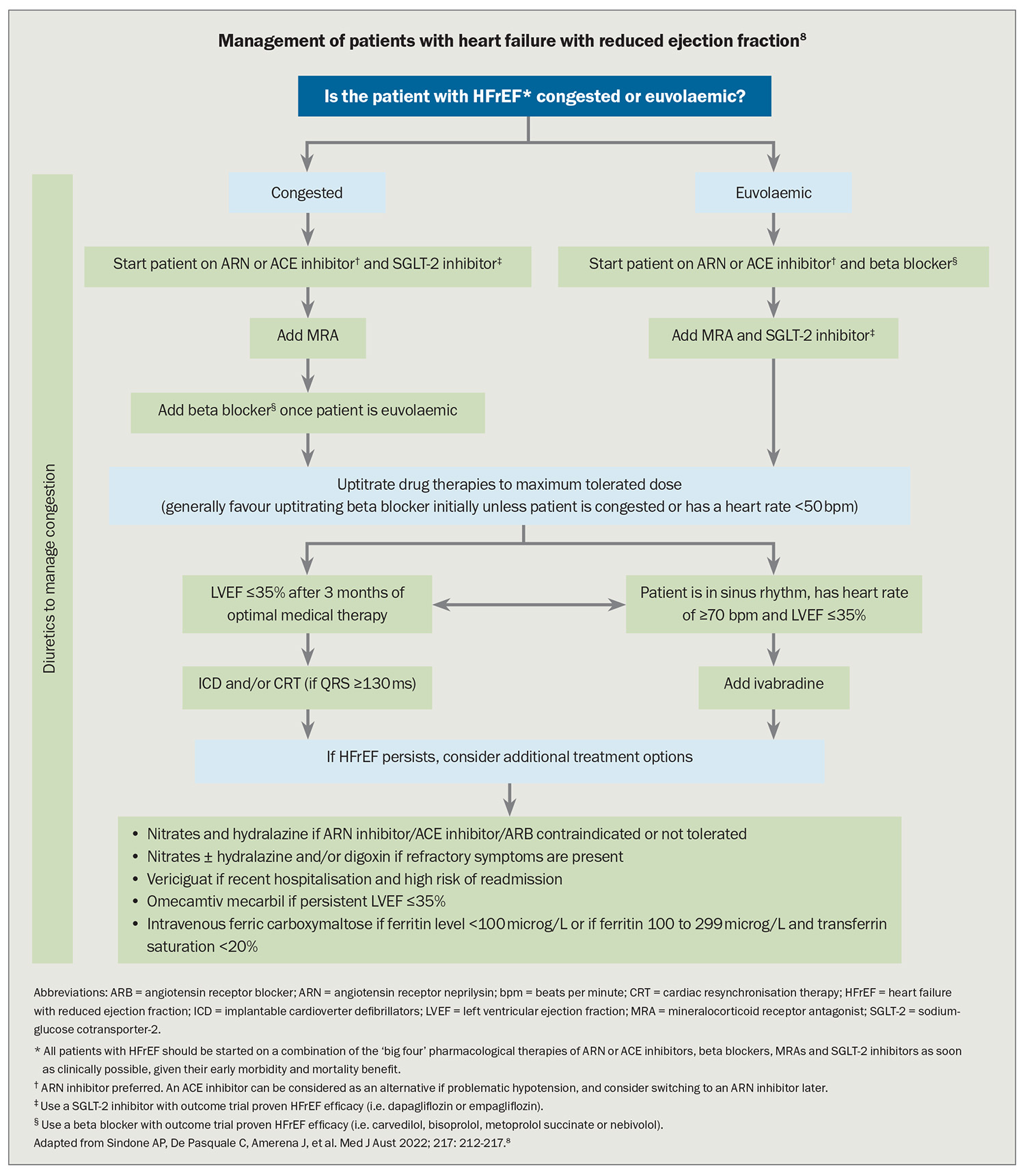
- GDMT in patients with HF with reduced ejection fraction (HFrEF) includes an angiotensin receptor-neprilysin (ARN) inhibitor or ACE inhibitor, a beta blocker, a mineralocorticoid receptor antagonist (MRA) and a sodium-glucose cotransporter-2 (SGLT-2) inhibitor (Flowchart).8
- GDMT in patients with HF with preserved ejection fraction (HFpEF) includes an SGLT-2 inhibitor (dapagliflozin or empagliflozin), an MRA (finerenone or spironolactone, with finerenone being preferred) and consideration of glucagon-like peptide-1-based therapies (semaglutide or tirzepatide) in patients with a body mass index (BMI) of 30 kg/m² or greater.
- Consider rapid uptitration of GDMT to the maximally tolerated dose during frequent and careful review after HF hospitalisation.
- Attempt to uptitrate GDMT at least twice before discharge, with further attempts after discharge as needed, aiming to achieve the maximally tolerated dose within six weeks of discharge.
Early post-discharge management
- Consider increasing the diuretic dose as needed, particularly if clinical signs of congestion are present. Consider doubling the furosemide dose by administering it twice daily and, if there is an inadequate response, increase the dose by 40 mg every two days thereafter, depending on the degree of congestion.
- Clinical contact with the patient within one to two weeks of discharge is recommended.
- Follow up may be conducted in person, with the option of some consultations being conducted via telehealth.
- Ideally, implement a multidisciplinary model of care, which may include medical practitioners, nurses, pharmacists, social workers and physiotherapists, to facilitate GDMT optimisation.
- Consider using optimised GDMT with N-terminal pro-B-type natriuretic peptide (NT-proBNP) monitoring, as this improves quality of life compared with optimised GDMT alone or standard care.
Natriuretic peptide monitoring
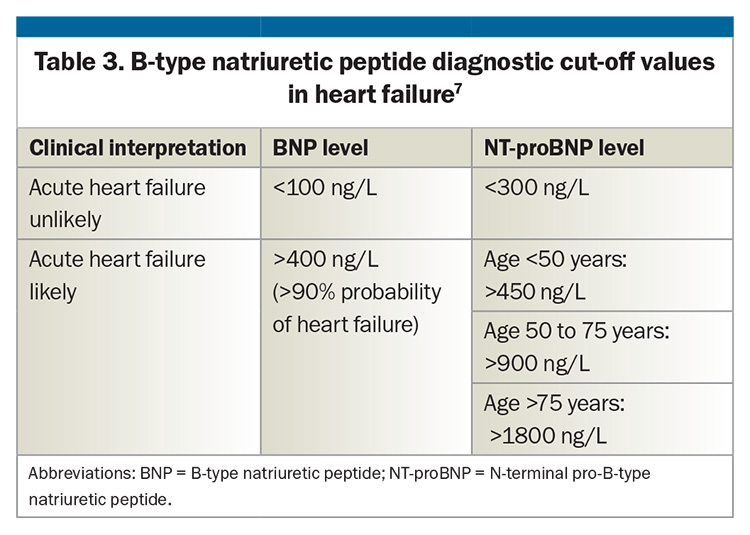
- An NT-proBNP level below 300 ng/L or a B-type natriuretic peptide (BNP) level below 100 ng/L in patients with suspected acute HF indicates that this diagnosis is unlikely.
- Acute HF is more likely if the NT-proBNP level is above 400 ng/L. NT-proBNP levels increase with age.
- Natriuretic peptide levels are lower in patients with HF and a BMI greater than 30 kg/m² and tend to decline with increasing BMI.
- Patients with HFpEF may have lower natriuretic peptide levels than those with HFrEF.
- In patients treated with ARN inhibitor therapy, NT-proBNP is the preferred biomarker.
Natriuretic peptide guidance
- Patients with higher BNP levels at discharge, or an inadequate decline during admission, have a higher risk of readmission and death.
- If the NT-proBNP concentration is more than 10% higher than the predischarge concentration, consider not uptitrating beta blocker therapy.
- Post-discharge evaluation includes assessment of congestion; blood pressure; heart rate; weight; electrolytes, urea and creatinine levels; liver function tests; full blood count; echocardiogram and natriuretic peptide levels.
Medication precautions
- A cautious approach to uptitration of ARN inhibitors, ACE inhibitors, ARBs and MRA therapy should be taken when systolic blood pressure is below 95 mmHg, the serum potassium level is above 5.0 mmol/L or the estimated glomerular filtration rate (eGFR) is below 20 mL/min/1.73 m2.
- Consider dose reduction of ARN inhibitors, ACE inhibitors, ARBs and MRA therapy if the potassium level is between 5.5 mmol/L and 6 mmol/L and withhold therapy if the potassium level exceeds 6.0 mmol/L.
- A cautious approach to uptitration of beta blockers should be taken if the heart rate is less than 55 beats per minute or systolic blood pressure is below 95 mmHg.
- Consider decreasing the diuretic dose if the eGFR is below 20 mL/min/1.73m2 and there is little evidence of congestion.
Discussion
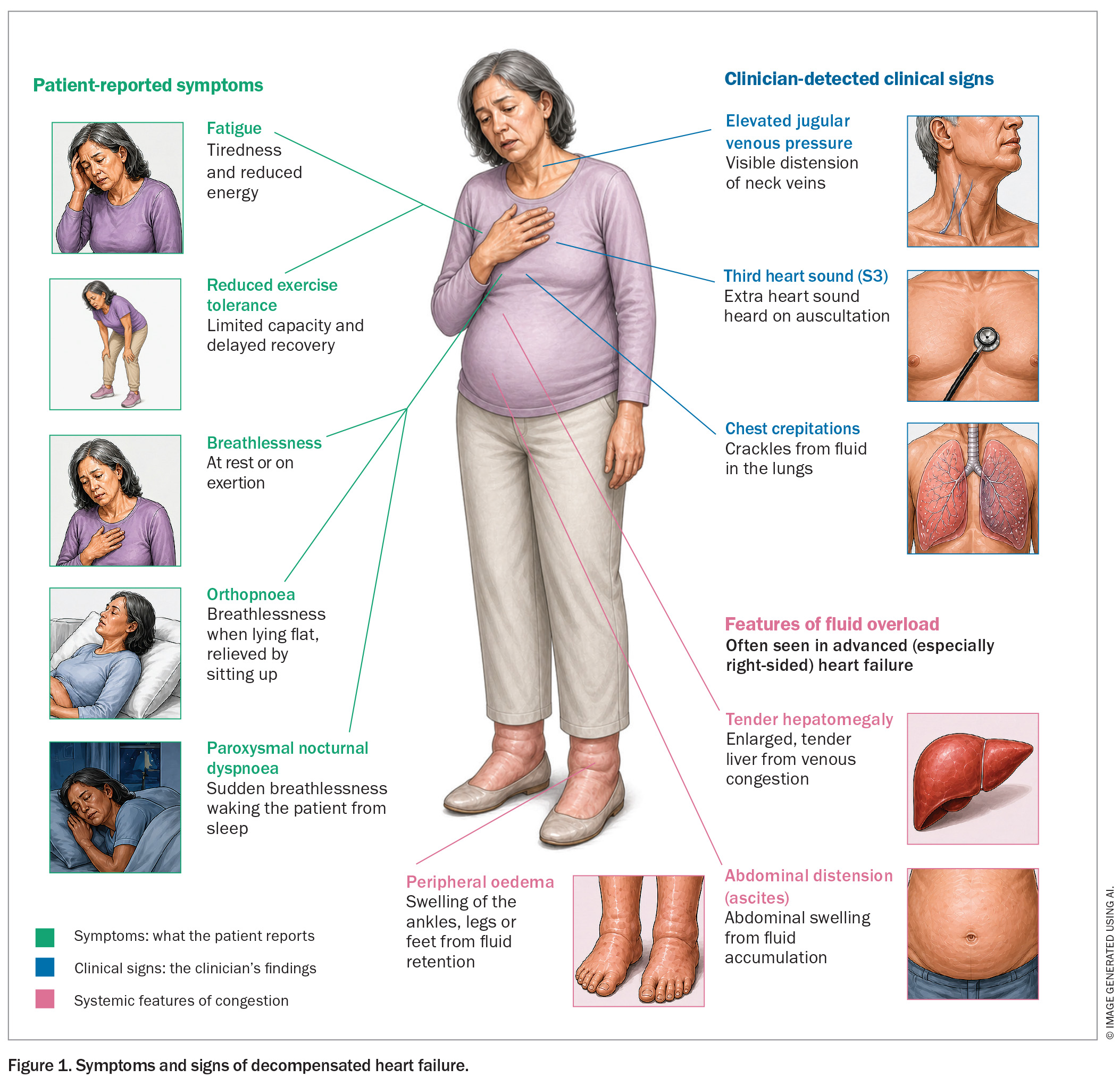
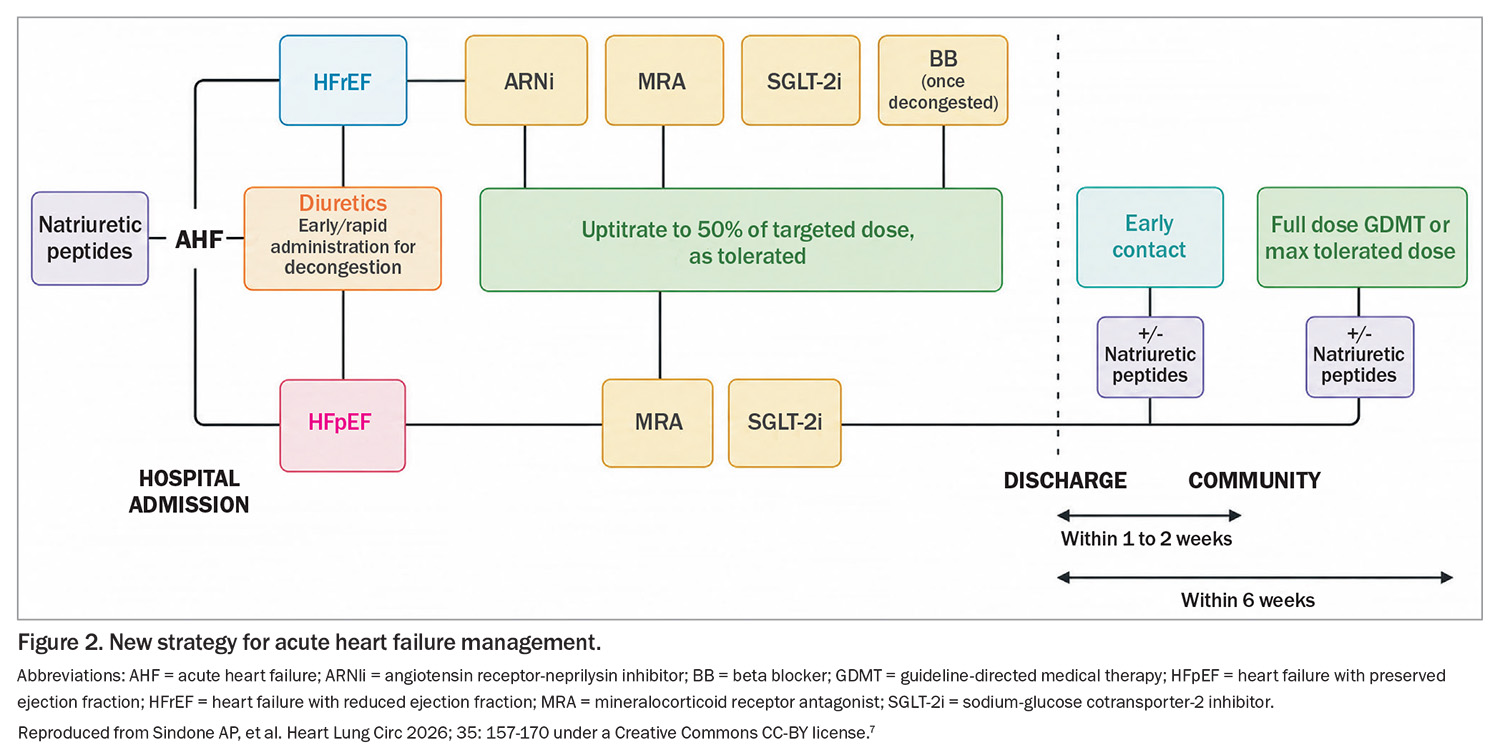
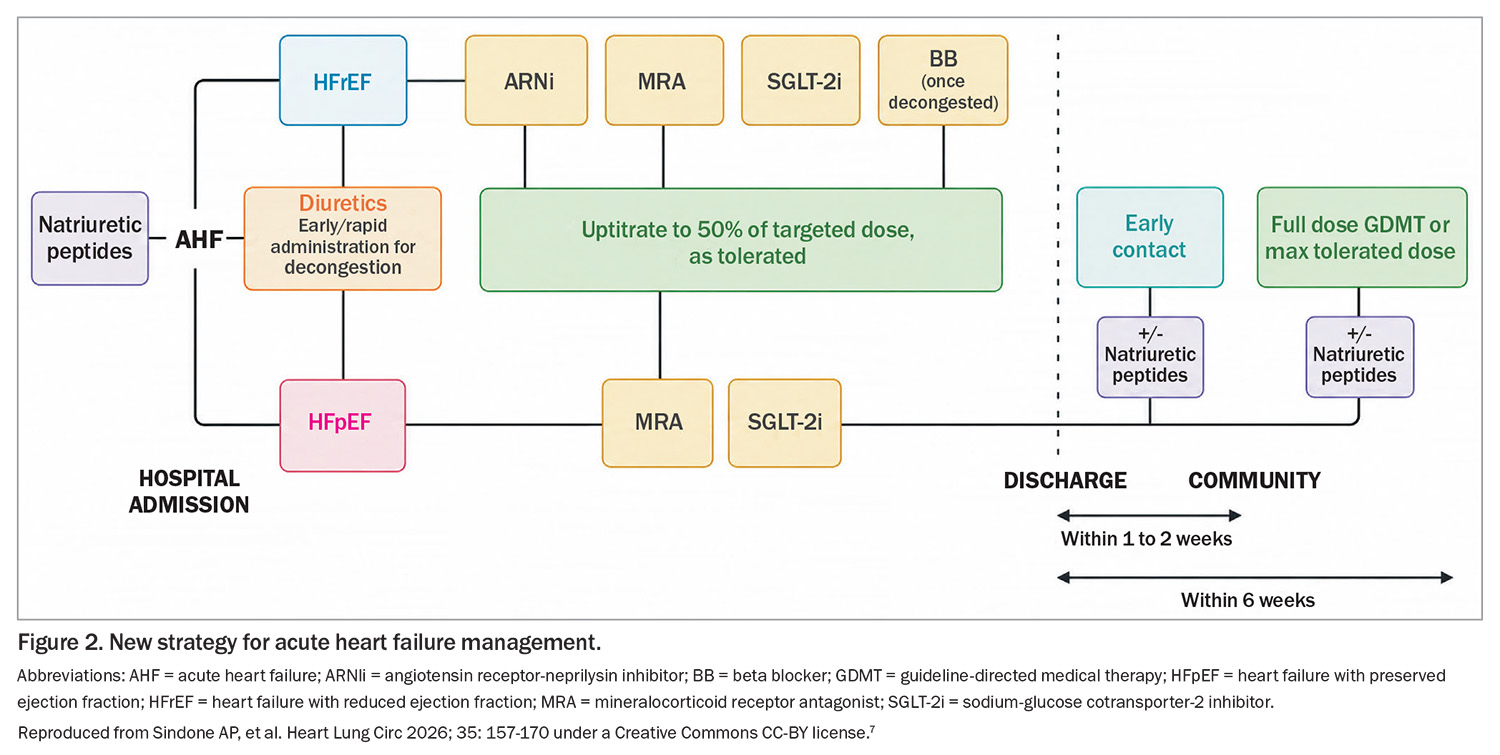
In-hospital initiation and titration of GDMT represents a crucial opportunity to reduce readmission and mortality in patients with acute HF. The symptoms and signs of decompensated HF are shown in Figure 1. A practical approach to management, with early administration of diuretics to reduce congestion, initiation of GDMT during hospitalisation and uptitration to approximately 50% of target doses before discharge is shown in Figure 2. Starting GDMT before discharge increases the likelihood of sustained long-term use and treatment benefits may be seen within 30 days.7
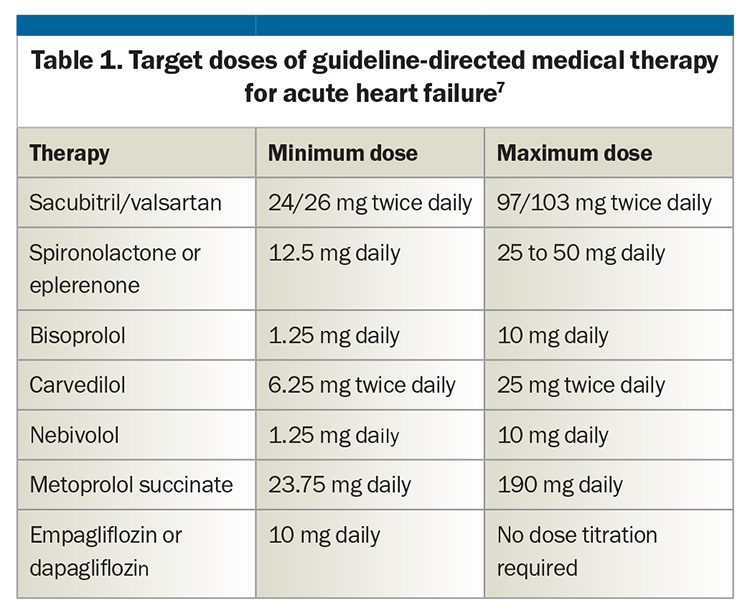
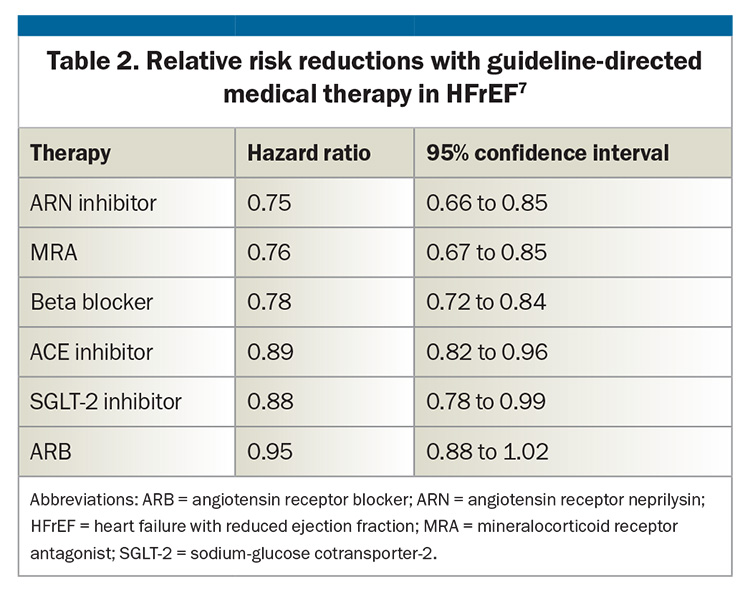
The first few weeks after discharge represent a particularly vulnerable period. The 30-day all-cause readmission rate is 20% and the 30-day mortality rate after discharge is 8% in Australia.2 Despite the heightened risk, many patients are often not closely followed up or treated with optimal doses of GDMT. Target doses of GDMT for acute HF treatment are listed in Table 1, with the relative risk reductions in HFrEF compared with placebo shown in Table 2.7 Fewer than 30% of patients in Australia achieve 50% of target GDMT doses within the first 12 months after discharge. These deficiencies likely contribute to the high rate of adverse events seen shortly after hospitalisation.
Close monitoring of patients with frequent post-discharge visits during the first six weeks is essential to ensure the safety and effectiveness of early GDMT initiation and rapid uptitration, as shown in Figure 2. Higher achieved doses of GDMT are associated with better outcomes and greater improvements in quality of life. European and US HF guidelines recommend early review of patients after acute HF hospitalisation within one to two weeks.9,10 European guidelines also recommend rapid uptitration of GDMT before discharge and during the first six weeks after discharge with frequent and careful follow-up visits to reduce the risk of HF rehospitalisation and death.
Early and rapid uptitration of GDMT in patients with a recent hospitalisation for HF can be difficult for busy general practitioners, who must manage multimorbidity as well as HF in patients who may be clinically unstable. Detailed and accurate discharge summaries play a key role in enabling transfer of care and clinical handover to facilitate continuation of the management plan. A multidisciplinary care approach is key to supporting this process and addressing barriers to access and adherence.
Many of the recommendations listed above are derived from the Safety, Tolerability and Efficacy of Rapid Optimisation, Helped by NT-proBNP Testing, of Heart Failure Therapies (STRONG-HF) study, which evaluated early initiation and rapid uptitration of GDMT after hospitalisation for acute HF compared with usual care.11 The study included 1078 patients who had been hospitalised with acute HF and were randomised 72 hours after admission. The patients had dyspnoea at rest, pulmonary congestion on chest x-ray and symptoms or signs of HF such as oedema or pulmonary rales. They were haemodynamically stable, with NT-proBNP levels greater than 2500 ng/L and a reduction of more than 10% before randomisation. They were not receiving optimal doses of oral HF medications within two days of expected discharge, although diuretic therapy could be adjusted on the basis of clinical assessments.
Patients in the STRONG-HF study were followed for 90 days and outcomes were evaluated at 180 days, but the benefits of early uptitration of GDMT became evident within 30 days and continued to improve over time.11 Higher achieved doses of GDMT medications were associated with a 34% relative risk reduction in all-cause mortality or HF readmission and greater improvement in quality of life.11 Serious adverse events were similar between groups. Close monitoring of patients with frequent post-discharge visits helps ensure both the safety and effectiveness of early GDMT initiation and rapid uptitration. The main message from STRONG-HF is the importance of early initiation and rapid uptitration of GDMT to maximally tolerated doses within six weeks of discharge after HF hospitalisation.
STRONG-HF used natriuretic peptide levels to identify patients with more severe HF and also monitored these levels before discharge and during the first six weeks after discharge. Although HF remains a clinical diagnosis, natriuretic peptide levels can assist in ruling in or ruling out the condition and should be interpreted in the context of the overall clinical assessment (Table 3).
Natriuretic peptide levels rise with increasing age, renal dysfunction and atrial fibrillation, and are slightly higher in women. They are lower in patients with a BMI greater than 30 kg/m² and tend to decline with increasing BMI. Levels are also lower in patients with HFpEF than in those with HFrEF. Natriuretic peptide levels also vary with ethnicity. A fall in natriuretic peptide levels in response to HF treatment carries a favourable prognosis and suggests the patient is responding to treatment. If the level rises, this usually indicates ongoing congestion and an increase in diuretic dose is recommended. Measurement of natriuretic peptide levels before discharge and at least twice in the first six weeks after acute HF hospitalisation can be used to assess response to treatment, guide therapy and assist in estimating prognosis. This can be particularly useful in monitoring patients who have had early initiation and rapid uptitration of GDMT after discharge with acute HF. In the STRONG-HF study, the benefits of intensive GDMT optimisation at 180 days were observed regardless of baseline NT-proBNP level. At present, NT-proBNP testing is not reimbursed for repeat testing in Australia, although this is under review.
Conclusion
These consensus statements are intended to provide a practical framework for the optimisation of GDMT. Optimising GDMT remains a critical priority, given the well-established benefits in improving survival and reducing hospital readmissions. However, a significant gap remains between evidence and implementation of these recommendations. Failure to initiate and uptitrate GDMT in patients during hospitalisation for acute HF and to regularly review patients early after discharge results in high rates of readmission and mortality. Many of these adverse outcomes may be prevented through early follow up and rapid uptitration of GDMT in patients recently hospitalised with acute HF. CT
COMPETING INTERESTS: Professor Sindone has received honoraria, speaker fees and consultancy fees and is a member of advisory boards or has appeared on expert panels for Abbott, Amgen, Astra Zeneca, Bayer, Boehringer Ingelheim, Bristol Myers Squibb, CSL, Edwards, Eli Lilly, GlaxoSmithKline, Impedimed, Menarini, Merck Sharp and Dohme, Moderna, National Cardiac Australia, Novartis, Otsuka, Pfizer, Pharmacosmos, Phebra, Roche, Sanofi, Servier and Viatris.
References
1. Chen L, Booley S, Keates AK, Stewart S. Snapshot of heart failure in Australia. Melbourne: Mary MacKillop Institute for Health Research, Australian Catholic University; 2017. Available online at: https://www.acu.edu.au/about-acu/news/2017/june/snapshot-of-heart-failure-in-australia (accessed June 2026).
2. Al-Omary MS, Davies AJ, Evans TJ, et al. Mortality and readmission following hospitalisation for heart failure in Australia: a systematic review and meta-analysis. Heart Lung Circ 2018; 27: 917-927.
3. Chan YK, Tuttle C, Ball J, et al. Current and projected burden of heart failure in the Australian adult population: a substantive but still ill-defined major health issue. BMC Health Serv Res 2016; 16: 501-511.
4. Atherton JJ, Sindone A, De Pasquale CG, et al. National Heart Foundation of Australia and Cardiac Society of Australia and New Zealand: guidelines for the prevention, detection, and management of heart failure in Australia 2018. Heart Lung Circ 2018; 27: 1123-1208.
5. Sindone AP, Driscoll A, Audehm R, et al. Optimising transitional care following a heart failure hospitalisation in Australia. Heart Lung Circ 2024; 33: 932-942.
6. Rao VN, Murray E, Butler J, et al. In hospital initiation of sodium-glucose cotransporter-2 inhibitors for heart failure with reduced ejection fraction. J Am Coll Cardiol 2021; 78: 2004-2012. 7. Sindone AP, Amerena J, De Pasquale CG, et al. Consensus statement on optimisation of patient care after hospitalisation for acute heart failure. Heart Lung Circ 2026; 35: 157-170.
8. Sindone AP, De Pasquale C, Amerena J, et al. Consensus statement on the current pharmacological prevention and management of heart failure. Med J Aust 2022; 217: 212-217.
9. McDonagh TA, Metra M, Adamo M, et al. 2021 ESC guidelines for the diagnosis and treatment of acute and chronic heart failure. Eur Heart J 2021; 42: 3599-3726.
10. Heidenreich PA, Bozkurt B, Aguilar D, et al. 2022 AHA/ACC/HFSA Guideline for the Management of Heart Failure: a report of the American College of Cardiology/American Heart Association Joint Committee on Clinical Practice Guidelines. J Am Coll Cardiol 2022; 79: e263-e421.
11. Mebazaa A, Davison B, Chioncel O, et al. Safety, tolerability and efficacy of up-titration of guideline-directed medical therapies for acute heart failure (STRONG-HF): a multinational, open-label, randomised, trial. Lancet 2022; 400: 1938-1952.
Single article purchases are temporarily unavailable due to site maintenance.
If you would like to purchase an article during this time, please email us at [email protected] with the article details and we'll assist you directly. We'll also let you know when online purchasing is available again.
Thank you for your patience and understanding.